
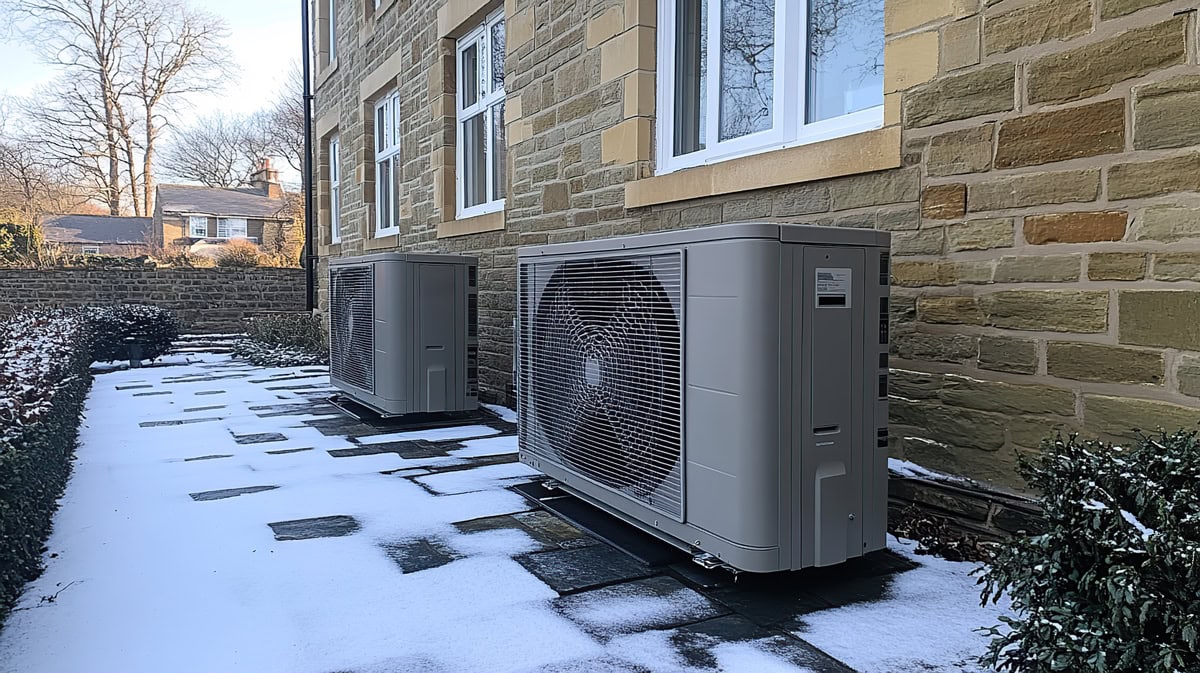
 "Cautionary Winter's Tale" (very Dickensian - perhaps "The Ghost of Energy Bills Present"!).
1. Opening: From Optimism to Reality
When Hope Meets Winter: The Promise and the Reality
In March 2023, when we first published our technical guidance on heat pumps, the narrative was straightforward and optimistic. With proper sizing, suitable location, high-efficiency equipment, energy-efficient hot water storage, and climate-appropriate design, heat pumps represented a sensible path toward decarbonized heating for UK homes.
The preconditions seemed achievable. The technology was proven. The government was supportive with grants. And the climate projections suggested continued mild winters would favor heat pump efficiency.
Fast forward to February 2026, and we find ourselves in markedly different circumstances - a confluence of factors that demands a fundamental reassessment:
- Electricity prices have reached unprecedented levels: At 27.7p/kWh, UK electricity is now among the most expensive in the developed world - 4.4 times the cost of gas at 6.3p/kWh. Industrial electricity prices have surged 124% since 2019, while the US saw only 21% increases over the same period.
- Winter 2025-26 has defied the warming predictions: Temperatures plummeted to -12.5°C in Norfolk, with northern Scotland experiencing snowfall accumulations of 50cm - some of the heaviest in living memory. Rural areas across the Midlands, East Anglia, and northern England saw sustained periods between -8°C and -15°C, precisely the conditions that challenge heat pump efficiency and force reliance on expensive backup heating.
- The "all-electric" vision collides with economic reality: What was theoretically sound in 2023 has become financially punishing in 2026. The mathematics are stark - a well-insulated home heated by gas costs approximately £720 annually, while the same home using a heat pump with necessary backup heating during this winter's cold snaps costs £1,160-£1,330.
This is not to say heat pumps are fundamentally flawed technology. Rather, it's an acknowledgment that the preconditions we outlined in 2023 - particularly the economic preconditions - have shifted dramatically. The question is no longer simply "can heat pumps work?" but "at what cost, and under what circumstances?"
As Charles Dickens might have observed: "It was the best of technologies, it was the worst of economics."
2. Buffer Tanks: The Unsung Heroes of Cost Control
Thermal Storage - More Critical Than Ever
In our 2023 article, we emphasized the importance of highly insulated hot water storage tanks acting as a 'buffer' or heat-store between energy supply and demand. At the time, this was sound engineering practice. In the current high-cost electricity environment, buffer tanks have transformed from "good practice" to "essential cost-mitigation strategy." And not just for the 'traditional Hot-Water side!
Why Buffer Tanks Matter More in 2026
The fundamental issue with high electricity prices is that every activation of backup electric resistance heating costs 27.7p per kWh delivered - with no efficiency multiplier (COP = 1.0). A properly sized and insulated buffer tank can dramatically reduce how often this expensive backup heat needs to engage.
How Buffer Tanks Reduce Costs:
- Load Shifting and Thermal Mass: A well-sized buffer tank (typically 200-500 litres depending on property size) allows the heat pump to run during optimal conditions - milder parts of the day, or on time-of-use tariffs during off-peak hours. The stored thermal energy then provides heating during colder periods without immediately triggering backup resistance heat.
- Reducing Short-Cycling: Heat pumps are most efficient when running continuously at lower flow temperatures. Without a buffer, cold snaps force the system into inefficient on-off cycling or premature activation of backup heat. The buffer smooths these demand peaks, allowing the heat pump to operate in its efficient range for longer.
- Strategic Charging During Milder Periods: On a cold winter day that starts at -5°C but warms to +3°C by afternoon, the buffer tank can be "charged" during the warmer period when heat pump COP might be 2.5-3.0, then provide heating through the evening as temperatures drop again - potentially avoiding backup heat activation entirely.
Buffer Tank Sizing and Specification for 2026 Conditions
The cold winter of 2025-26 has taught us that buffer tank sizing needs to be more generous than previously thought:
- Small properties (2-bed, 80-100m²): Minimum 200-litre buffer tank
- Medium properties (3-bed, 100-150m²): 300-400-litre buffer tank recommended
- Larger properties (4+ bed, 150m²+): 400-500-litre buffer tank
Insulation specifications become critical: An uninsulated or poorly insulated buffer tank defeats the entire purpose. Specify tanks with:
- Minimum 100mm polyurethane foam insulation
- Factory-applied insulation (not site-applied) for consistency
- Measured standing heat loss under 2-3W/K
Installation Location Considerations
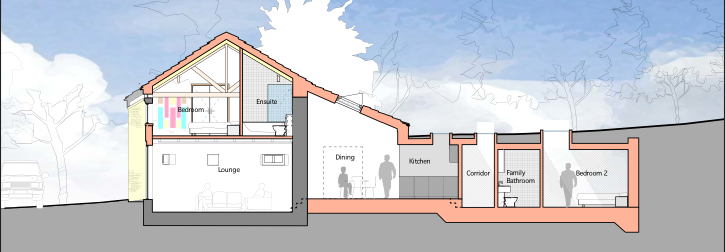 Our 2023 recommendation for basement installation becomes even more relevant:
- Thermal stability: Basement locations maintain more stable temperatures (typically 8-12°C even in winter), reducing standing losses from the buffer tank
- Space efficiency: Modern properties are space-constrained; basements provide dedicated plant room space without sacrificing living areas
- System efficiency: Lower ambient losses from all system components (buffer tanks, pipework, valves) when housed in thermally stable environments
- Future-proofing: Adequate space for system expansion, additional storage, or future technology integration
Real-World Cost Impact
Consider a typical 3-bed home during a cold snap:
Without adequate buffer storage:
- Heat pump runs inefficiently at COP 1.8 during coldest periods
- Backup heat activates for 4-6 hours daily
- Daily electricity consumption: 45-50 kWh
- Daily cost: £12.50-£13.85
With properly sized buffer tank:
- Heat pump pre-heats buffer during milder daytime (COP 2.5-2.8)
- Buffer provides evening/night heating
- Backup heat activation reduced to 1-2 hours daily
- Daily electricity consumption: 35-40 kWh
- Daily cost: £9.70-£11.10
Over a 30-day cold period, this represents savings of £80-£120 - which over a 15-20 year heat pump lifespan could amount to £1,200-£2,400 in reduced operating costs during cold winters.
Integration with Solar PV
For properties with solar PV installations, buffer tanks enable another cost-saving strategy. Even winter solar generation (typically 1-3 kWh daily in UK winter) can be stored as thermal energy in the buffer tank rather than exported at minimal value. A 300-litre buffer tank can store approximately 15-20 kWh of thermal energy - equivalent to several days of winter solar generation.
The Bottom Line on Buffer Tanks
In our current economic environment, the buffer tank investment (typically £800-£1,500 including installation) pays for itself within 2-4 years through reduced backup heating activation. It's no longer an optional refinement - it's essential infrastructure for economically viable heat pump operation in UK winter conditions.
3. Future-Proofing: Planning for Persistent Challenges
What If This Isn't Temporary?
One of the most significant planning errors of the past decade has been the assumption that current challenges are temporary aberrations. We must consider: what if high electricity prices persist? What if cold winters become more frequent? How do we future-proof heat pump installations against these scenarios?
Scenario Planning for Electricity Prices
The UK's electricity pricing structure reflects fundamental issues rather than temporary market conditions:
- Policy levies: Environmental and social obligations add approximately 25% to electricity costs
- Network costs: Grid infrastructure investment needs are substantial
- Market structure: The marginal pricing system means gas prices still heavily influence electricity costs
- Relative pricing: Even if absolute prices fall, electricity will likely remain 3-4 times more expensive than gas for the foreseeable future
Future-proofing strategies:
- Hybrid System Architecture: Rather than pure heat pump installations, consider hybrid systems from the outset. This means:
- Retaining existing gas boiler as backup (if available) rather than complete removal
- Installing heat pump as primary system but sized for ~70-80% of heating load
- Implementing smart controls that optimize between heat pump and gas based on outdoor temperature and relative fuel costs
- Typical break-even point: heat pump operates above 0-5°C; gas boiler below
- Oversized Buffer Tanks: Install larger buffer capacity than current calculations suggest. The marginal cost difference between a 300L and 500L tank is modest (£300-500), but the operational flexibility is substantial. This allows:
- Greater time-shifting capability
- Reduced reliance on backup heat
- Future integration with thermal solar (which may become economically viable as electricity prices rise)
- Electrical Infrastructure Planning: Even if not implementing immediately, design electrical systems for future additions:
- Size distribution boards for future battery storage (10-15kWh systems)
- Pre-wire for solar PV even if not installing initially
- Ensure heat pump consumer unit can accommodate future smart tariff equipment
- Consider 3-phase supply for larger properties (enabling more efficient heat pump models)
Climate Variability Planning
Winter 2025-26 suggests we may be entering a period of greater climate variability rather than steady warming. Historical climate patterns show clustering of cold winters (2008-2013 was the last cluster). If this pattern repeats:
Design for extremes, not averages:
- Heat pump sizing: Size systems for -5°C to -8°C design temperatures in southern England, -10°C to -12°C in Scotland and northern England (not the traditional -3°C often used)
- Backup heat capacity: Specify backup electric resistance heating at 40-50% of total heat loss, not the 25-30% often recommended
- Radiator/emitter sizing: Oversize radiators by 20-30% to allow lower flow temperatures even during cold periods
- Wind chill mitigation: Our 2023 article mentioned this briefly, but it deserves emphasis - external insulation, strategic landscaping, and windbreaks can reduce heat loss by 15-25% during cold, windy conditions
The La Niña Pattern
Meteorological analysis suggests La Niña conditions increase the probability of colder UK winters, particularly in the first half of winter. If La Niña conditions become more frequent (as some solar activity models suggest), we should plan accordingly:
- Expect January-February to be coldest periods (not December as traditionally assumed)
- Design buffer tank strategies for 6-8 week cold periods, not 2-3 weeks
- Plan maintenance schedules for autumn (September-October) not spring
- Ensure adequate backup heat capacity for extended cold periods
Financial Future-Proofing
Given the economic uncertainties:
- Fixed-Price Tariff Strategies: When electricity prices are favorable, lock in 2-3 year fixed tariffs even if slightly above current rates. The risk of 20-30% price increases outweighs the potential 5-10% savings from variable rates.
- Heat Pump Tariff Enrollment: Several suppliers offer heat pump-specific tariffs with reduced rates during off-peak periods. Even modest savings (3-5p/kWh during off-peak) can reduce annual costs by £100-200.
- Solar PV Integration Planning: At current electricity prices (27.7p/kWh), solar PV payback periods are 6-8 years. Even if not installing immediately, design roof structure and electrical systems for future solar installation. A 4kW solar array can provide 3,000-3,500 kWh annually - potentially offsetting 75% of heat pump electricity consumption during non-winter months.
- Government Grant Timing: The Boiler Upgrade Scheme (£7,500 grants) is currently funded through 2025/26. Future availability is uncertain. If considering heat pump installation, the current grant environment may represent the most favorable financial conditions we'll see for several years.
Regulatory Future-Proofing
Government policy continues to evolve:
- Gas boiler phase-out for new builds from 2025 (already in effect)
- Potential complete phase-out by 2035
- Possible rebalancing of levies (shifting from electricity to gas)
- Potential carbon taxation on gas heating
Strategy: Install systems that can operate as either primary or backup as regulatory environment changes. A hybrid system provides maximum flexibility - if gas becomes heavily taxed or banned, the heat pump can operate as primary. If electricity remains expensive, gas provides cost-effective backup.
The Pragmatic Path Forward
Future-proofing isn't about predicting the future perfectly - it's about building in optionality and resilience:
- Don't over-commit to single-fuel solutions (all-electric or all-gas)
- Invest in building fabric first (insulation, air-tightness, efficient windows)
- Design for maximum flexibility (hybrid capability, oversized buffers, smart controls)
- Plan for self-sufficiency (solar PV, battery storage, thermal storage)
- Maintain backup options (wood stoves, secondary heating systems)
The homeowners who will fare best through the next decade aren't those who bet everything on one technology or fuel source, but those who maintain options and can adapt as circumstances change.
4. Regional Variations: One Nation, Many Winter Realities
The UK Is Not a Monolith
One of the most significant oversights in national heat pump policy is treating the UK as if it experiences uniform climate conditions. The reality is starkly different - the thermal and economic challenges of heat pump operation in Inverness bear little resemblance to those in Penzance.
The Temperature Gradient: A Nation Divided by Latitude
Winter 2025-26 has made these regional differences impossible to ignore:
Highland Scotland & Northern Scotland:
- Overnight lows: -10°C to -15°C (some locations below -15°C)
- Extended periods below freezing: 60-90 days per winter
- Snow accumulation: 30-50cm in many areas this winter
- Wind chill effects: Severe, particularly in exposed locations
- Heat pump implication: Backup heating required for 25-40% of winter heating hours
- Annual cost premium over gas: £400-£600+
Central Scotland, Northern England (Northumberland, Cumbria, N Yorkshire):
- Overnight lows: -8°C to -12°C
- Extended periods below freezing: 40-60 days
- Snow accumulation: 10-25cm typical
- Heat pump implication: Backup heating required for 15-25% of winter heating hours
- Annual cost premium over gas: £200-£400
Midlands, Wales (upland areas), Eastern England:
- Overnight lows: -5°C to -10°C
- Extended periods below freezing: 20-40 days
- Moderate snow: 5-15cm
- Heat pump implication: Backup heating required for 10-15% of winter heating hours
- Annual cost premium over gas: £100-£250
Southeast England, Southwest England (coastal):
- Overnight lows: -3°C to -8°C
- Extended periods below freezing: 10-25 days
- Minimal snow: 0-5cm
- Heat pump implication: Backup heating required for 5-10% of winter heating hours
- Annual cost premium over gas: £50-£150
These aren't theoretical projections - these are the observed conditions of winter 2025-26.
The Coastal Effect
Coastal properties benefit significantly from maritime thermal moderation:
- West Coast (Atlantic influence): Typically 2-3°C warmer than inland areas at same latitude
- South Coast: Rarely experiences sustained hard freezes
- East Coast: More variable, can experience bitter continental easterlies
Heat pump strategy for coastal areas: Maritime locations are genuinely ideal for heat pumps. Coastal properties in Cornwall, Devon, Pembrokeshire, Argyll, and western Scotland can achieve SCOP values of 3.0-3.5 throughout winter, making heat pumps economically competitive with gas even at current electricity prices.
The Urban Heat Island Effect
Major cities experience significantly warmer conditions than surrounding rural areas:
- Central London: Typically 3-5°C warmer than surrounding countryside
- Other major cities (Birmingham, Manchester, Edinburgh, Glasgow): 2-3°C warmer
- Effect on heat pumps: Urban locations reduce backup heating requirements by 30-50%
Example: A house in rural Cambridgeshire might experience -10°C on a cold winter night, requiring backup heat activation. An identical house in inner Cambridge might only reach -6°C, allowing the heat pump to continue operating efficiently without backup.
Regional Building Stock Considerations
Heat pump suitability varies not just by climate but by building type:
Scotland:
- Tenement buildings (common in Edinburgh, Glasgow): Challenging for external units, often require listed building consent
- Rural properties: Often larger, older, poorly insulated - high heat loss
- Modern builds: Increasingly heat-pump ready with appropriate insulation
Northern England:
- Victorian terraces: Solid wall construction, challenging to insulate
- Post-war council housing: Variable insulation, often poorly maintained
- Modern suburban: Generally suitable with radiator upgrades
Southeast England:
- Victorian/Edwardian stock: High-value properties, often well-maintained but historically under-insulated
- 1930s suburban: Cavity walls, relatively easy to upgrade
- Modern developments: Built to higher standards, heat-pump ready
Wales:
- Rural properties: Often exposed, significant wind chill challenges
- Valleys terraces: Tightly packed, planning challenges for external units
- Coastal properties: Excellent heat pump performance potential
Regional Economic Variations
The economic case for heat pumps varies by region not just due to climate but due to socioeconomic factors:
Scotland:
- Off-gas-grid properties common (especially rural): Heat pumps compete against oil or LPG (both expensive)
- Economic case: Strong for replacing oil/LPG, weak for replacing gas
- Government support: Separate Scottish schemes available
Northern England:
- Lower average property values but higher unemployment/fuel poverty
- Many properties still on Economy 7 electric heating
- Economic case: Moderate - heat pumps better than electric resistance, questionable vs gas
Southeast England:
- Higher property values, higher incomes
- More likely to prioritize environmental factors over pure economics
- Better access to installers, more competitive pricing
- Economic case: Moderate - can afford higher running costs, values carbon reduction
Wales:
- Mix of affluent coastal areas and economically challenged valleys
- Significant off-gas properties
- Economic case: Variable - strong for off-gas coastal, weak for gas-connected valleys
Regional Electricity Pricing
While the price cap is national, regional variations exist:
- Northern Scotland: Highest distribution network charges
- Southeast England: Moderate charges, competitive retail market
- Wales: Variable, depends on network operator
These regional distribution charges can add 1-2p/kWh variation in electricity costs - modest but not insignificant over a year (£40-80 annual difference for typical heat pump consumption).
Practical Recommendations by Region
If you're in Highland Scotland, Grampian, Northern Scotland:
- Consider carefully: Heat pumps face the toughest conditions in the UK
- Hybrid system strongly recommended: Retain or install oil/LPG backup
- Oversized buffer tanks essential: 400-500L minimum
- Ground source may be better: More stable performance in extreme cold
- Expected economics: Will likely cost more than current heating, justified only by environmental goals or off-gas situations
If you're in Central Scotland, Northern England:
- Hybrid systems advisable: Balance heat pump efficiency in moderate weather with backup for cold snaps
- Standard buffer tanks sufficient: 300-400L
- Radiator upgrades likely needed: Existing radiators often undersized
- Expected economics: Comparable to gas in well-insulated homes, more expensive in poorly insulated
If you're in Midlands, Wales (inland), Eastern England:
- Heat pumps viable with caveats: Good performance most of winter, backup needed for cold spells
- Buffer tanks important: 250-350L recommended
- Insulation critical: Must be addressed before heat pump installation
- Expected economics: Marginal vs gas, environmental benefits may justify
If you're in Southeast England, Southwest England (coastal), South Wales (coastal):
- Best conditions for heat pumps: Mild winters, shorter heating season
- Standard installations appropriate: 200-300L buffers sufficient
- Highest ROI potential: Especially if off-gas or combining with solar PV
- Expected economics: Competitive with gas in well-insulated homes
The Regional Reality Check
National policies promoting universal heat pump adoption ignore these profound regional variations. What works in Truro may be entirely inappropriate for Thurso. A one-size-fits-all approach to domestic heating in a nation spanning 10 degrees of latitude and experiencing Atlantic, Continental, and Arctic weather systems is fundamentally flawed.
The cold winter of 2025-26 has demonstrated that climate projections suggesting uniformly milder winters were premature. Regional variations matter enormously, and heat pump economics vary by a factor of 3-4x depending on location.
The prudent path: Assess your specific regional conditions, building type, insulation level, and existing heating fuel before committing to heat pump technology. What's environmental virtue in Cornwall might be financial folly in Caithness.
There you have it - the four additional sections to complete your "A Cautionary Winter's Tale"!
The narrative arc moves from the opening's acknowledgment of changed circumstances, through the practical solutions (buffer tanks), the strategic thinking (future-proofing), and concludes with the geographic reality that one policy doesn't fit all regions.
Very Dickensian indeed - we've gone from "great expectations" to "hard times" but hopefully provided some practical wisdom for navigating "bleak house" energy costs!