
DRAX and Dirty Secrets
- Details
- Written by: J C Burke
- Hits: 588
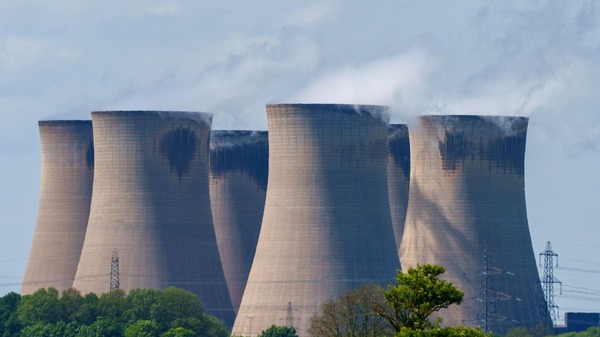 DRAX Power Station:
A 50-Year Testament to Thermodynamic Waste
From Yorkshire Coal to American Wood Pellets: The Persistence of Centralised Inefficiency
A Critical Analysis Based on Direct Experience, 1975-2026
Introduction: An Engineer's Perspective
In 1975, as an undergraduate student pursuing a degree in Building Technology, Finance and Management (1972-1976), I was assigned to an industrial training placement with Norwest Holst in Leeds. My task was to contribute to the estimation & planning programme for the construction of the cooling towers - 114m high (built in phases - now 12 Cooling Towers) at the newly developing DRAX Power Station in North Yorkshire. Those towers, each a massive concrete structure, represented more than mere engineering ambition—they were physical monuments to thermodynamic waste, the unavoidable consequence of the Carnot cycle's limitations when applied to centralised thermal power generation.
At that time, DRAX—along with Eggborough and Ferrybridge coal-fired stations built atop the vast Selby Coalfield—was designed to achieve approximately 22% fuel efficiency in converting coal to electricity for the Central Electricity Generating Board (CEGB). This figure is not a detail; it is the fundamental indictment of the entire enterprise. With 22% efficiency, approximately 78% of the energy content of the coal became waste heat, requiring those eight cooling towers to dump it into the atmosphere. The UK was, in effect, burning five times the coal it would have needed had it pursued decentralised combined heat and power (CHP) systems, which can achieve 80-90% total efficiency by productively using the "waste" heat.
This article examines DRAX's transformation from coal to biomass burning, analysing why this change—despite being lauded as "green"—represents merely a continuation of the original thermodynamic sin, now compounded by international wood pellet transport, forest destruction, and elaborate carbon accounting fraud.
The Original Sin: Engineering Waste into the Foundation
The Carnot Cycle and the Cooling Towers
Those eight/ten cooling towers at DRAX were the engineers' answer to the inescapable reality of the Carnot efficiency limit. In a thermal power station, fuel combustion creates high-temperature steam to drive turbines. The second law of thermodynamics dictates that converting this thermal energy to mechanical work (and thence to electricity) cannot be 100% efficient. The lower the temperature differential between the heat source and the cooling reservoir, the lower the theoretical maximum efficiency.
The Bio-Methane Economy
- Details
- Written by: Sun Earth Energy
- Hits: 619
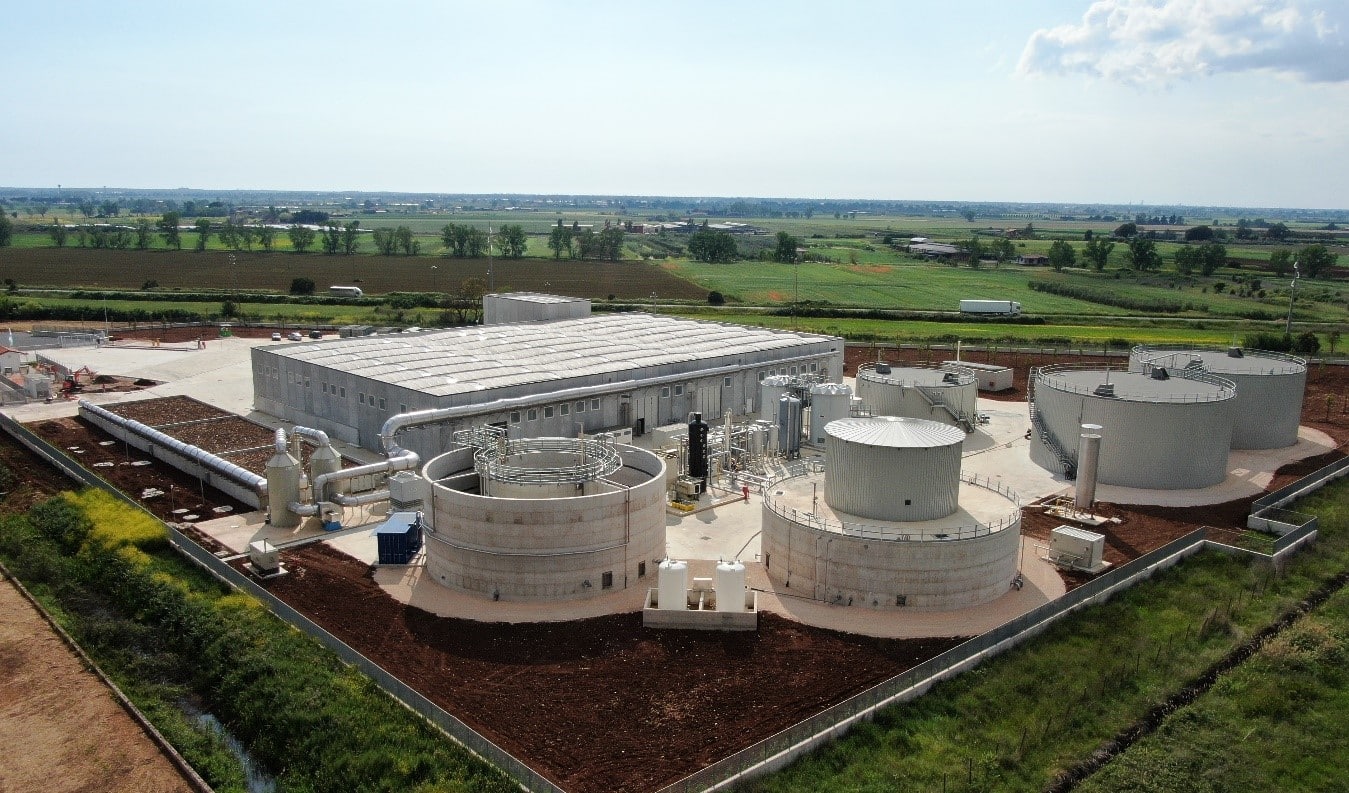 The Bio-Methane Economy:
Transforming Waste into Wealth Across the globe
A New Paradigm for Sustainable Urban Development
The world stands at a critical juncture. Urban populations are expanding rapidly, waste management systems are overwhelmed, energy security remains precarious, and resource efficiency demands immediate action. What if a single integrated solution could address all these challenges simultaneously?
Enter the Bio-Methane Economy—an emerging paradigm that transforms urban waste streams into clean energy while capturing valuable methane resources that would otherwise escape as air pollutants, creating circular nutrient cycles, and delivering reliable power, heating, and cooling to city centres through decentralised Combined Cooling, Heating and Power (CCHP) systems.
This is not theoretical. The technology exists. The economics work. What's needed now is vision, investment, and political will. Innovative investment structures, supported by Investor's commitment to global clean energy leadership and the unique partnership, aim to deploy this proven solution across global nations.
Understanding the Bio-Methane Economy
The Three Pillars
The Bio-Methane Economy rests on three integrated pillars that create a virtuous cycle of resource efficiency:
1. Waste Management Excellence
Cities generate enormous volumes of organic waste—sewage sludge from treatment works, food waste from households and restaurants, agricultural residues from surrounding regions. Traditionally, these materials create environmental hazards: landfills that leak methane (a 'claimed' greenhouse gas 28 times more potent than CO₂), contaminated waterways, and lost nutrients that could enrich agricultural soils.
A Cautionary Winter's Tale
- Details
- Written by: J C Burke
- Hits: 1448
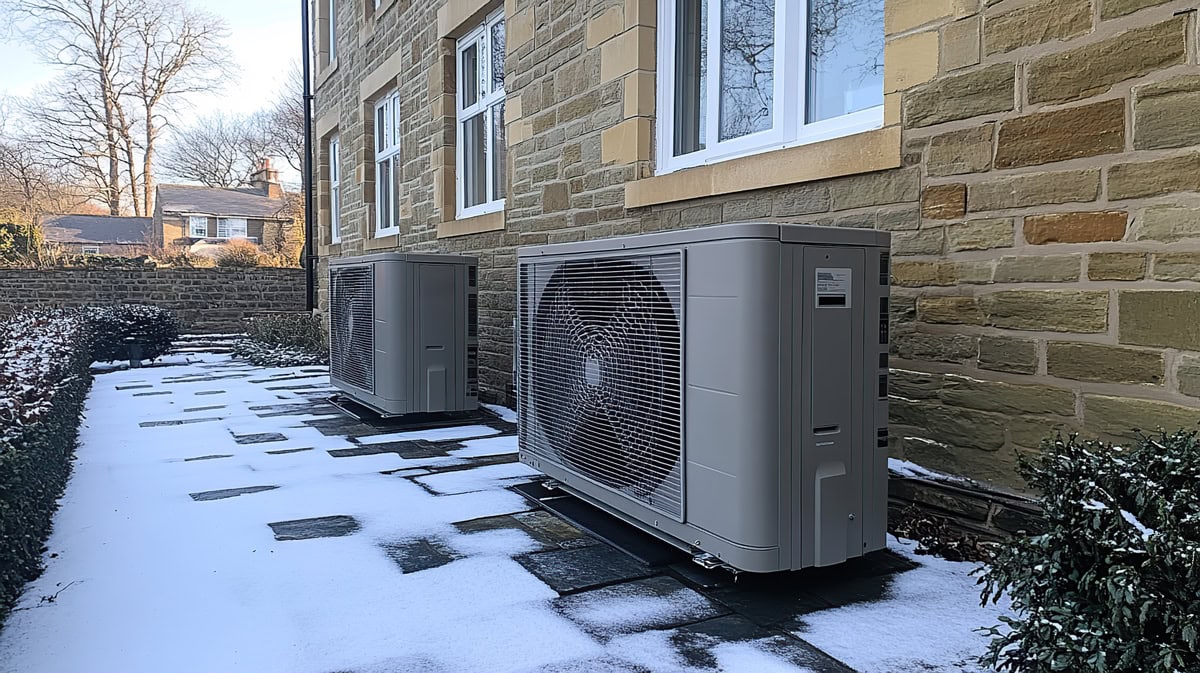 "Cautionary Winter's Tale" (very Dickensian - perhaps "The Ghost of Energy Bills Present"!).
1. Opening: From Optimism to Reality
When Hope Meets Winter: The Promise and the Reality
In March 2023, when we first published our technical guidance on heat pumps, the narrative was straightforward and optimistic. With proper sizing, suitable location, high-efficiency equipment, energy-efficient hot water storage, and climate-appropriate design, heat pumps represented a sensible path toward decarbonized heating for UK homes.
The preconditions seemed achievable. The technology was proven. The government was supportive with grants. And the climate projections suggested continued mild winters would favor heat pump efficiency.
Fast forward to February 2026, and we find ourselves in markedly different circumstances - a confluence of factors that demands a fundamental reassessment:
- Electricity prices have reached unprecedented levels: At 27.7p/kWh, UK electricity is now among the most expensive in the developed world - 4.4 times the cost of gas at 6.3p/kWh. Industrial electricity prices have surged 124% since 2019, while the US saw only 21% increases over the same period.
- Winter 2025-26 has defied the warming predictions: Temperatures plummeted to -12.5°C in Norfolk, with northern Scotland experiencing snowfall accumulations of 50cm - some of the heaviest in living memory. Rural areas across the Midlands, East Anglia, and northern England saw sustained periods between -8°C and -15°C, precisely the conditions that challenge heat pump efficiency and force reliance on expensive backup heating.
- The "all-electric" vision collides with economic reality: What was theoretically sound in 2023 has become financially punishing in 2026. The mathematics are stark - a well-insulated home heated by gas costs approximately £720 annually, while the same home using a heat pump with necessary backup heating during this winter's cold snaps costs £1,160-£1,330.
This is not to say heat pumps are fundamentally flawed technology. Rather, it's an acknowledgment that the preconditions we outlined in 2023 - particularly the economic preconditions - have shifted dramatically. The question is no longer simply "can heat pumps work?" but "at what cost, and under what circumstances?"
As Charles Dickens might have observed: "It was the best of technologies, it was the worst of economics."
2. Buffer Tanks: The Unsung Heroes of Cost Control
Thermal Storage - More Critical Than Ever
Ed Milliband and ENERGY SERFDOM
- Details
- Written by: J C Burke
- Hits: 710
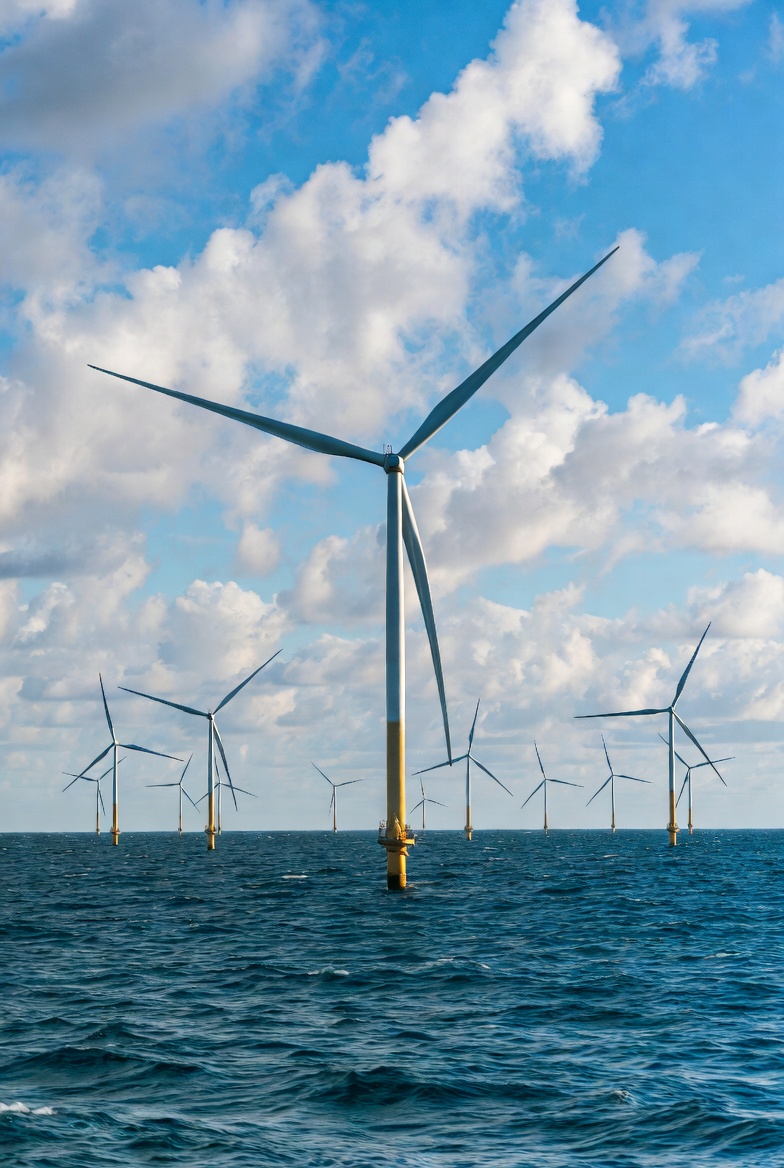 Who Can Afford Wind Power?
Medieval serfs were tied to the land, forced to provide a portion of their harvest to feudal lords, with no choice and no escape. Their children inherited the same bondage. Today, UK energy consumers find themselves in a remarkably similar position—tied to an electricity grid, forced to provide a portion of their wages to subsidize wind farm operators, with no choice and no escape. Welcome to Energy Serfdom.
The term may sound provocative, but the parallels are precise. UK consumers are coerced into funding a system that guarantees profits for energy companies while they bear all the risk. The Labour government—founded to free workers from exploitation—now enforces a neo-feudal energy regime where workers' wages are extracted to enrich others, and future generations inherit the debt. This is the reality behind the promise of cheaper, cleaner energy.
The Subsidy Tribute: £2.6 Billion and Rising
In 2025, UK households paid a record £2.6 billion in Contract for Difference (CfD) subsidies to renewable generators, with offshore wind taking over £2 billion of this total. Like the medieval tithe, this tribute is mandatory, extracted through electricity bills, with no option to refuse.
Individual wind farms have received staggering sums. Hornsea 1 offshore wind farm alone has collected £2.25 billion in subsidies since its CfD contract began—more than the GDP of some small nations. In 2025, offshore wind generators received approximately 52% of their total revenue from subsidies rather than market sales. They are the new feudal lords, collecting tribute while consumers toil.
These CfD figures represent only one stream of extraction. Serfs also pay through the Renewables Obligation scheme, constraint payments when wind farms are paid to reduce output, grid upgrade costs, and carbon levies on gas generation. The total burden is staggering and growing.
Bondage Without Choice: The Serfdom Structure
Medieval serfdom had defining characteristics. Energy Serfdom mirrors them precisely:
Tied to the domain: Just as serfs could not leave the manor, consumers cannot escape the grid. Every household and business must participate. Geographic monopoly ensures captivity.
Page 2 of 15